 Home
Home Trending
 New Release
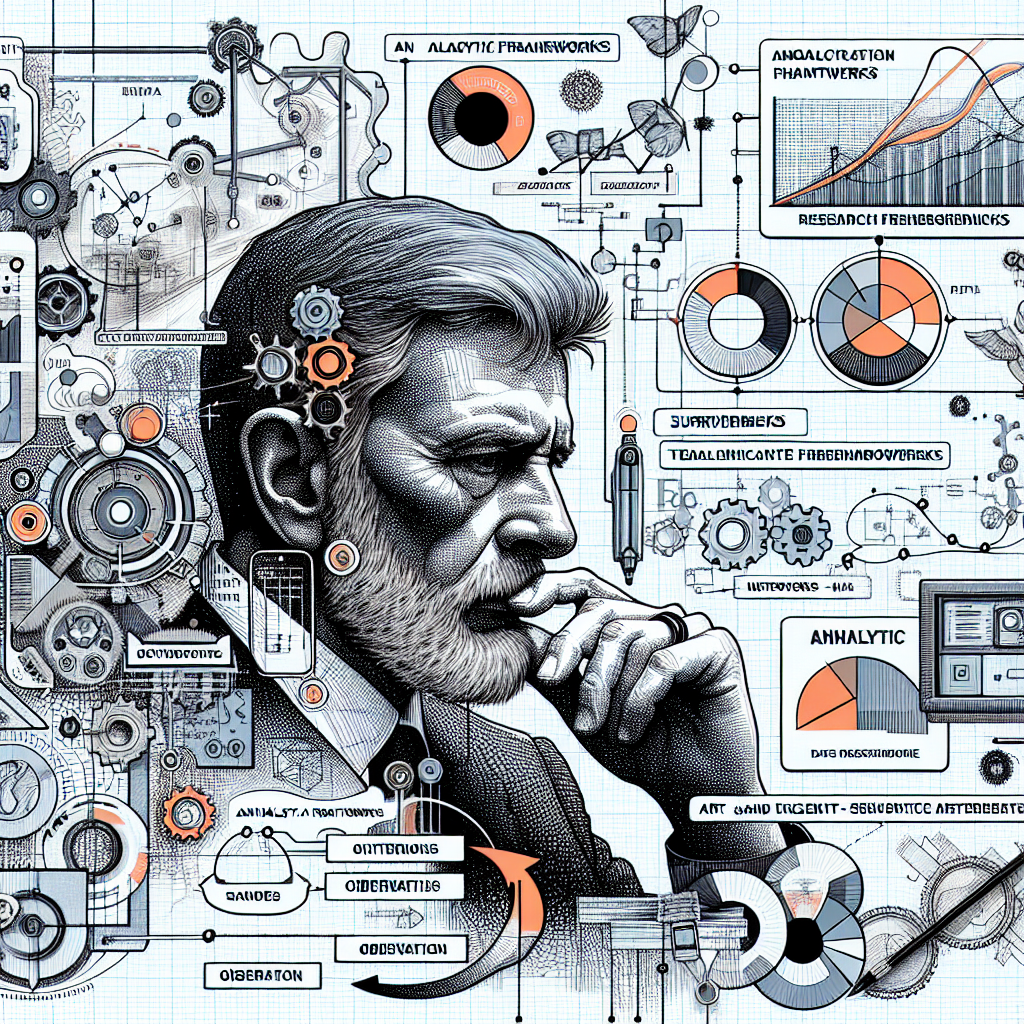
In this blog post, we’ll continue our exploration of the world of user experience with Didier Chachol, the head of the Global User Experience division of Ericsson’s Business Digital Area Service Group. We’ll dive into his background, career path, and the challenges and opportunities he faces in the ever-evolving world of telecommunications.
Getting to Know Didier Chachol
Didier Chachol’s journey into the world of user experience began in France, where he studied architecture in Paris before moving to Strasbourg to focus on industrial design and space architecture. His career led him to work at Aérospatiale, a French aerospace company, where he designed equipment for astronauts and tested them in microgravity. This experience laid the foundation for his transition to designing for air traffic controllers and eventually to Ericsson, where he now leads UX teams in different business units.
The Intersection of Architecture and User Experience
Didier’s background in architecture and design has provided him with a unique perspective on user experience. He believes that good design is about solving problems and understanding the needs of the users. Whether it’s designing a space station, an air traffic control system, or a mobile application, the principles of user-centric design remain the same. He emphasizes the importance of collecting customer and user intelligence through various methods, including analytic frameworks, surveys, interviews, and observation.
The Art and Science of User Experience
Didier views user experience design as both an art and a science. It requires a multidisciplinary approach, involving skills from engineering, development, art, and psychology. He stresses the importance of identifying problems, needs, and expectations before jumping into solutions, and the iterative process of gathering feedback and testing with users.
Challenges and Opportunities in the Telecommunications Industry
As Ericsson undergoes a digital transformation, Didier faces the challenge of designing products that are not only useful and usable but also enjoyable for their B2B customers. He emphasizes the need to collect as much data as possible to avoid building products that won’t be used. The goal is to create efficiency while also creating familiarity and satisfaction for the end users.
The Future of User Experience at Ericsson
As Ericsson navigates the shift from physical infrastructure to virtual and cloud environments, Didier sees opportunities to leverage data and insights to deliver products that meet the evolving needs of their customers. By designing the right products for the right audience, Ericsson aims to create a seamless and enjoyable user experience in the ever-changing world of telecommunications.
In conclusion, Didier Chachol’s journey from architecture to user experience design highlights the interconnectedness of different disciplines and the importance of understanding and advocating for users and customers. His insights shed light on the challenges and opportunities in the telecommunications industry and the evolving role of user experience in shaping the future of digital transformation.
Stay tuned for more insights and perspectives from industry leaders in our ongoing series on Transmissions from Tomorrow.
Podcast: Play in new window | Download
