 Home
Home Trending
 New Release
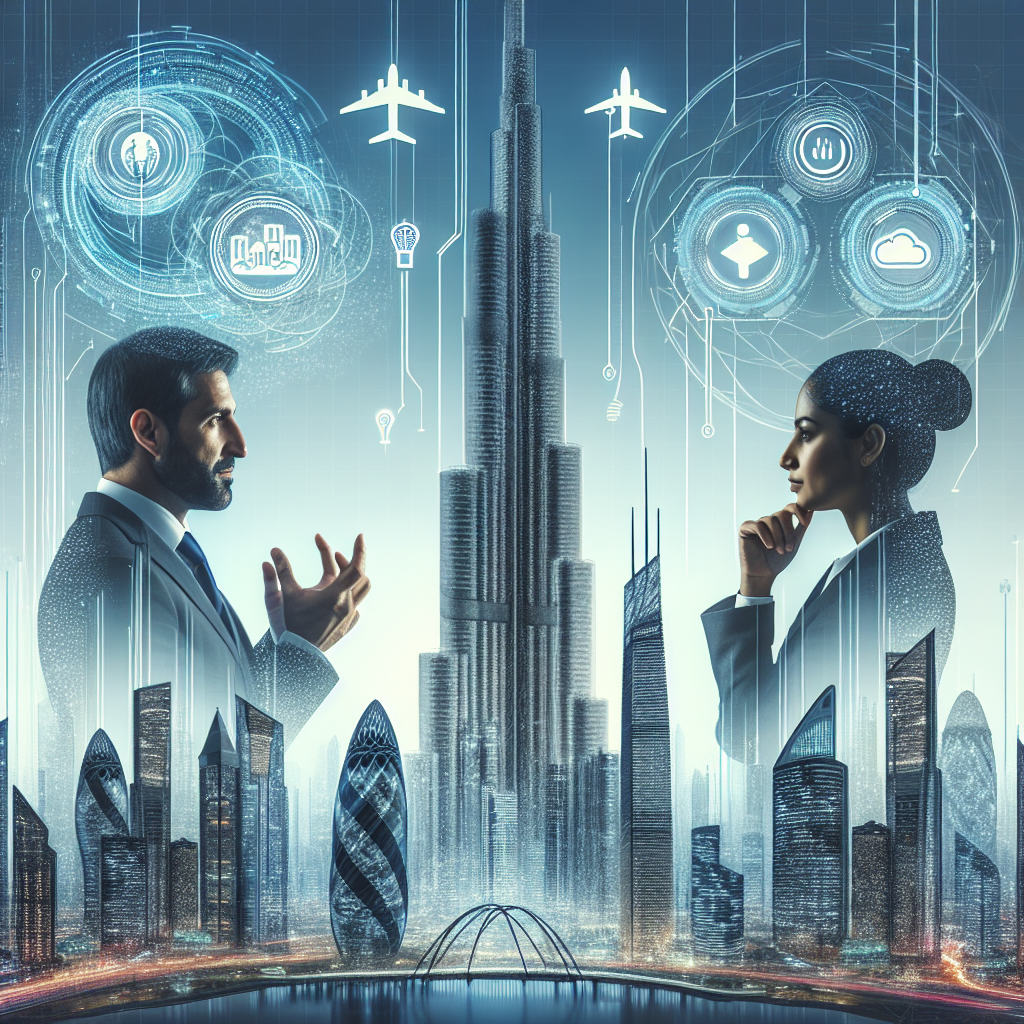
In this podcast episode of Conversations with Dez, we caught up with two amazing subject matter experts, Amit Mehta, President of Asia Pacific and Japan for Dell Technologies, and Luke Halliday, Chief Information Officer for Melbourne Airport. They share their insights on the future of technology, smart cities, and the impact of emerging technologies on the airport industry.
The Vision of the Future
Amit Mehta paints a compelling picture of the future, highlighting the following key points:
- The inevitability of autonomous cars by 2030
- The integration of the cyber world and the real world
- The presence of robots as social companions
- The use of agents and algorithms working on our behalf
- The transformation of cities from smart to sentient
A Day in the Life of Industry Leaders
Amit Mehta and Luke Halliday provide a glimpse into their roles and responsibilities, shedding light on the diverse and challenging nature of their work. Amit’s role spans strategic planning, operations, and people management, while Luke’s role as CIO of Melbourne Airport involves orchestrating various services and ensuring a safe and seamless travel experience for passengers.
The Future of Connected Living
Amit Mehta discusses the “Future of Connected Living” report, which delves into the impact of emerging technologies on our lives in 2030. He emphasizes the critical role of data as the new currency and the exponential growth in data transmission. Additionally, he highlights the importance of finding a balance between surveillance for community safety and protecting citizens’ privacy.
Implementing Advanced Technologies in Airports
Luke Halliday shares insights into the implementation of an Enterprise Data Platform at Melbourne Airport, focusing on real-time reporting and predictive analytics. He discusses the use of data to enhance operational metrics and improve passenger movement, all while prioritizing privacy and anonymization of data.
The Intersection of Technology and Smart Cities
Amit and Luke discuss the convergence of technology and smart cities, emphasizing the need for inclusive, entrepreneurial, and sustainable approaches. They explore the potential of airports as safe campuses and the integration of advanced technologies, such as facial recognition and IoT, to enhance safety and convenience for travelers.
The Journey Towards Sentient Cities
Amit Mehta provides a glimpse into the future, highlighting the shift from digital cities to sentient cities. He emphasizes the importance of data, infrastructure, and application frameworks to support the evolving needs of smart and sentient cities. Additionally, he underscores the significance of a balanced approach that considers people, processes, and technology.
Conclusion
The conversation with Amit Mehta and Luke Halliday offers a compelling glimpse into the future of technology, smart cities, and the transformative impact on the airport industry. As we look ahead to 2030, it’s clear that the integration of advanced technologies will shape the way we live, travel, and interact with the world around us.
Stay tuned for more insights and discussions on the future of technology and smart cities from industry experts.
